
Educational outcomes for disadvantaged boys and young men
Your insights shared for a Parliamentary debate

On Tuesday 3 February 2026, Alistair Strathern MP led a 30-minute Westminster Hall debate on educational outcomes for disadvantaged boys and young men.
To inform his debate, he asked to hear your insights and ideas.
Page contents:

The Government's response
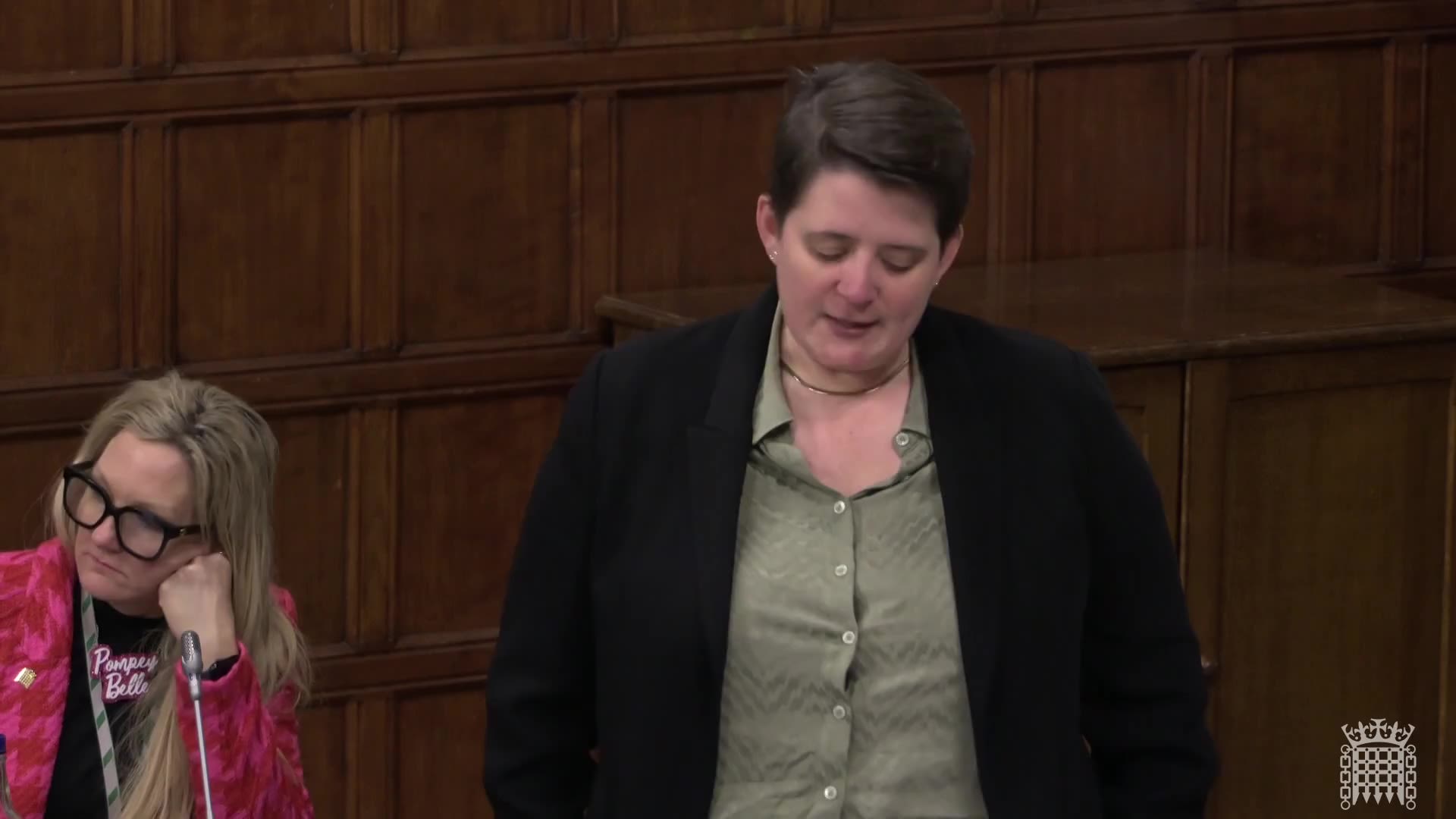

Education Minister Olivia Bailey MP responded to the debate on behalf of the Government.
Watch or read her full speech where she covers a range of topics including:
- The 'Giving every child the best start in life' strategy and the aim for 75% of children to reach a good level of development by the end of reception in 2028
- A pledge to recruit and retain 6,500 additional teachers by 2029
- The upcoming Schools white paper which will include details of the planned reforms to the SEND system.
- The 'National Year of Reading' campaign, launched in collaboration with the National Literacy Trust.
- A commitment of £27.7 million in 2025/26 to support rising standards in reading and writing in England.
- Plans to expand mental health support teams in schools
- Measures set out in the Post-16 education and skills white paper
- An £820 million funding package to support young people to develop skills, access opportunities and transition into meaningful employment.
- £34 million of funding to NEET (not in education, employment or training) prevention, which includes a new risk of NEET indicator tool to help local areas identify and support young people before they disengage.
"I would like to thank everyone who took the time to share their views and experiences around boys’ educational outcomes ahead of my Westminster Hall debate.
"The insights you provided were incredibly valuable. It really helped me make the case. We must champion and raise boys’ attainment in schools.
"I encourage you to read the Hansard transcript or watch the debate using the links on this page. Thank you again for your really helpful contributions to this important conversation."



Parliamentary resources


House of Commons Library
Relevant research:
- Debate pack: Attainment and engagement of boys in education (July 2025)
- Debate pack: International Men’s Day 2025 (November 2025)
- Higher education student numbers (January 2026)
Relevant Committee inquiries
What are Westminster Hall debates?
Westminster Hall debates enable backbench MPs from any party to raise an issue, and receive a response from the government.
They do not involve a vote on a particular action or decision.
Instead, the aim is to:
- raise awareness of an issue, often as part of a wider campaign
- seek to influence government policy
- put the views of backbench MPs, opposition parties, and the government on record.
The setting
Westminster Hall debates happen in the Grand Committee Room — the second chamber of the House of Commons.
Here, MPs sit in a horseshoe shape. This can help to encourage a constructive atmosphere.
Chairing the debate
Westminster Hall debates are chaired by an MP. The role of the Chair is to:
- ensure debates keep to the time allocated
- call on MPs to speak
- make sure MPs follow the rules of debate.
To mark the start of the debate the Chair says:
"Order, order"
Opening the debate
The MP leading the debate makes the first speech.
They will generally:
- outline their views on the issue
- present examples
- in some cases, call on the government to take action.
Backbench speeches
After the opening speech, other backbench MPs take turns to speak in the debate.
The main opposition parties
For longer debates, the main opposition parties then have a chance to respond.
An MP from the third largest party generally goes first, and is followed by an MP from the official Opposition.
They outline their party’s position on the issue.
The government's response
The Chair then calls the Minister to respond to the debate on behalf of the government.
The Minister will generally:
- respond to concerns raised by MPs
- explain the government's position and policies
- share relevant plans or ambitions for the future.
Closing the debate
If there is enough time, the MP who opened the debate can make final comments.
The debate is then concluded.
Engaging with debates
- You can contact your MP and ask them to attend a debate. Or you can ask them to lead their own debate on an issue you feel is important.
- For some debates, you may be asked to share your insights and experiences. This can help inform the MPs taking part in the debate. See the Chamber Engagement website for details.
- You can watch debates online, read the transcripts, or attend in person. Find out what's on by looking at the Parliamentary calendar.
Lisa, Ian and Charlotte helped inform previous debates on topics like the menopause and pensions advice:
For more on Westminster Hall debates, see How Parliament Works.
Photo credit: UK Parliament / Jessica Taylor
 Built with Shorthand