Availability of driving tests in the South East
Your experiences shared for a Parliamentary debate
Wednesday 26 November
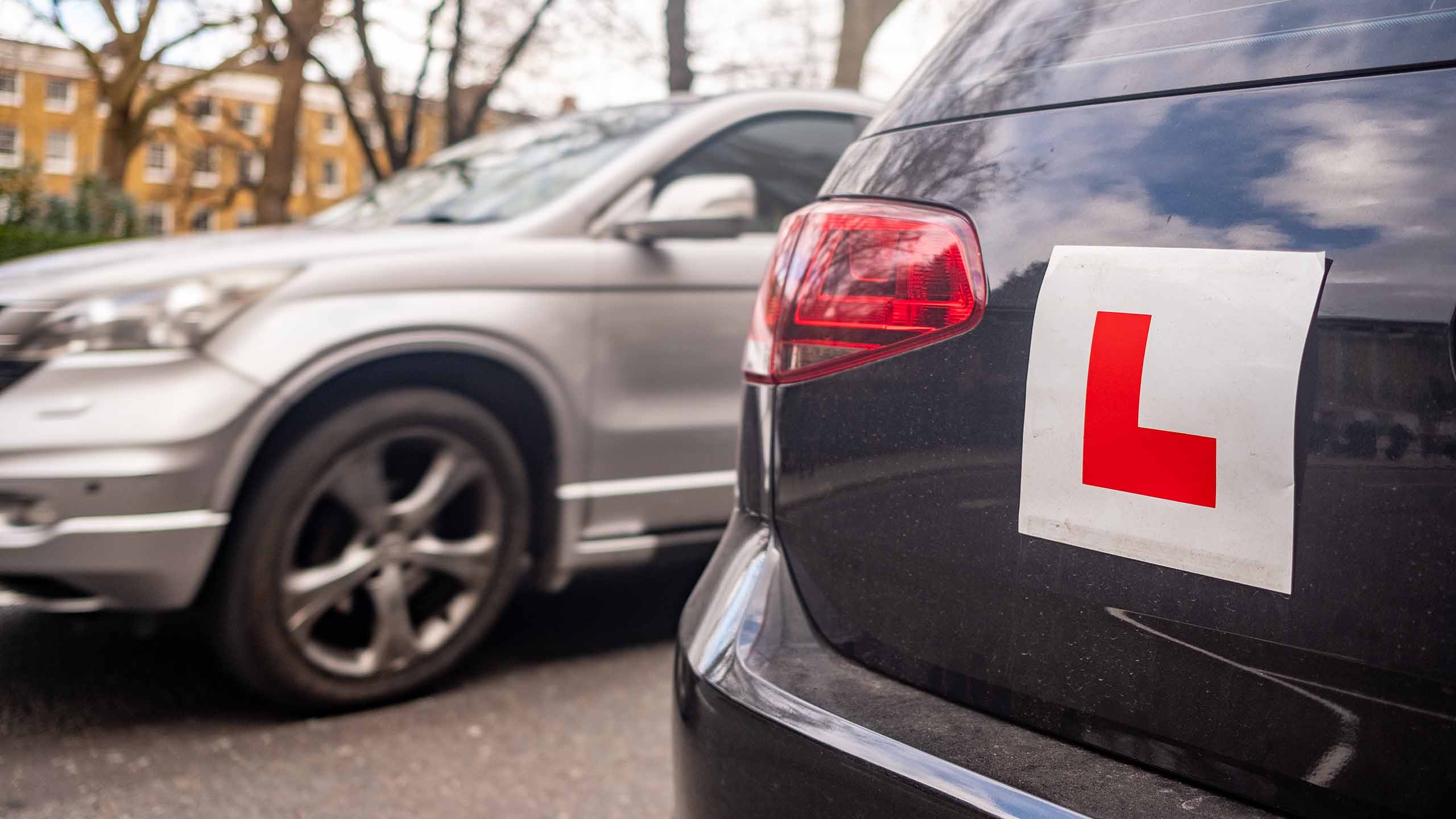

On 26 November, Dr Al Pinkerton MP led a Westminster Hall debate on the availability of driving tests in the South East.
To inform his debate, he asked to hear about your experiences.
Page contents:

The government's response
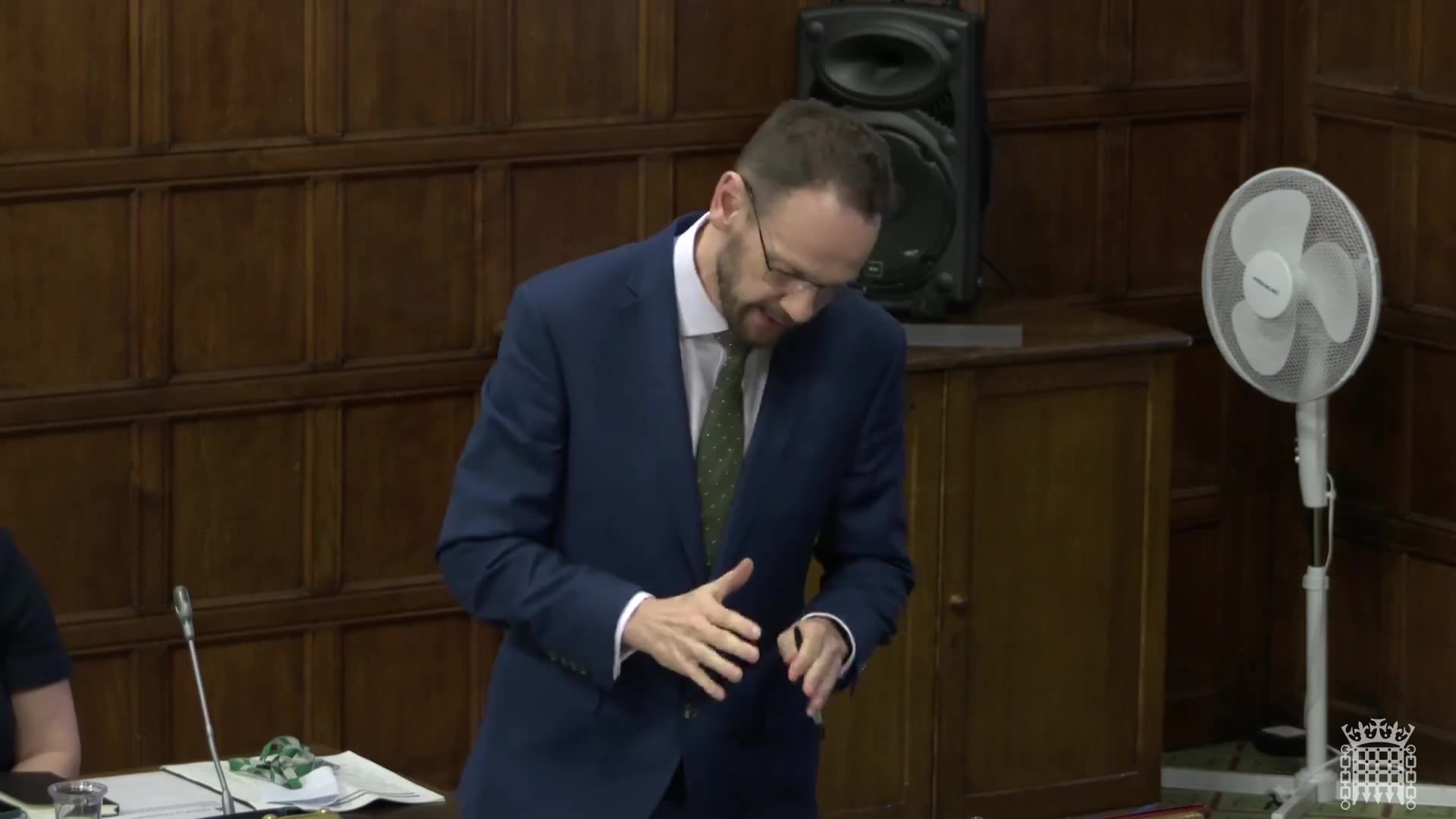

Minister for Roads and Buses, Simon Lightwood MP, responded to the debate on behalf of the government.
He described the government’s current policies and upcoming plans related to the debate topic.
Watch or read his full speech where he covers a range of topics including:
- Plans to reform the booking system for driving tests so that:
Only learner drivers themselves will be able to book and manage their practical driving tests.
Learner drivers will be limited to two changes to their tests (e.g. one change to date or location and one swap).
Learners will be limited to test centres close to the original booking, restricting the areas that a test can be moved to once booked. This is to prevent tests from being booked in quiet areas and then moved to high-demand areas.
- The implementation of the reforms, expected to begin by spring 2026, and intended to ensure that:
Unofficial businesses and third parties will be prevented from reselling tests at inflated prices.
Local learners in quiet areas will have better access to tests at their preferred centres, and examiner resources will be focused where demand is highest.
- Plans for 36 driving examiners from the Ministry of Defence to conduct up to 6,500 additional tests.
- A retention payment in 2026 of £5,000 to examiners, to encourage more to stay in the profession.
- Measures the government has already taken, such as:
Doubling examiner training capacity to accelerate the recruitment and qualification of new examiners.
Additional test incentives for examiners, which the Minister said resulted in 56,000 more tests between June and October this year, compared to the same period in 2024.
The ‘Ready to Pass?’ campaign, to help learner drivers prepare for their tests.
You can find out more about this topic, including recent government activity, in the House of Commons Library’s briefing for this debate: Availability of driving tests in the South East
"I would like to thank everyone who took the time to share their experiences of the driving test booking system ahead of my Westminster Hall debate on 26 November.
"Your insights on waiting times, booking difficulties, and the pressures this creates for learners, families, and instructors were incredibly valuable. I raised these concerns during the debate, and Members from across the House recognised and spoke to many of the issues you highlighted.
"I encourage you to read the transcript on Hansard or watch the debate, and I hope that amplifying these discussions will help move this issue forward. Thank you again for your thoughtful and important contributions."



Parliamentary resources

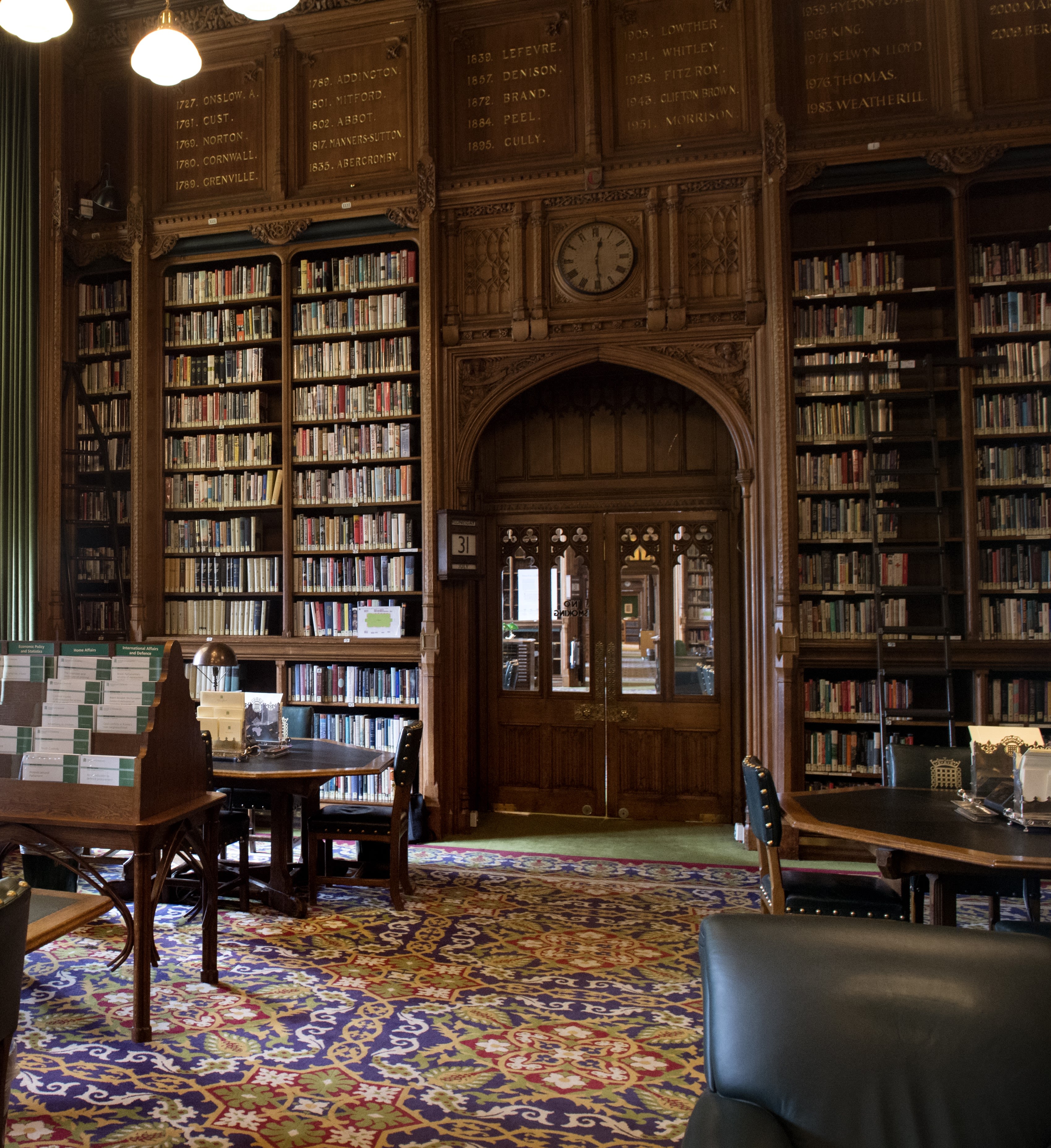

House of Commons Library
Relevant research:
- Debate pack: Availability of driving tests in the South East (November 2025)
Relevant Committee work
Transport Committee:
- Transport Committee Chair comments on new plans to cut backlogs (12 November 2025)
- Driving tests availability (non-inquiry session, (December 2024)
See a recent letter to the committee from the Minister for Roads and Buses, relating to driving tests availability (10 November 2025)
Information on booking a driving test
What are Westminster Hall debates?
Westminster Hall debates enable backbench MPs from any party to raise an issue, and receive a response from the government.
They do not involve a vote on a particular action or decision.
Instead, the aim is to:
- raise awareness of an issue, often as part of a wider campaign
- seek to influence government policy
- put the views of backbench MPs, opposition parties, and the government on record.
The setting
Westminster Hall debates happen in the Grand Committee Room — the second chamber of the House of Commons.
Here, MPs sit in a horseshoe shape. This can help to encourage a constructive atmosphere.
Chairing the debate
Westminster Hall debates are chaired by an MP. The role of the Chair is to:
- ensure debates keep to the time allocated
- call on MPs to speak
- make sure MPs follow the rules of debate.
To mark the start of the debate the Chair says:
"Order, order"
Opening the debate
The MP leading the debate makes the first speech.
They will generally:
- outline their views on the issue
- present examples
- in some cases, call on the government to take action.
Backbench speeches
After the opening speech, other backbench MPs take turns to speak in the debate.
The main opposition parties
For longer debates, the main opposition parties then have a chance to respond.
An MP from the third largest party generally goes first, and is followed by an MP from the official Opposition.
They outline their party’s position on the issue.
The government's response
The Chair then calls the Minister to respond to the debate on behalf of the government.
The Minister will generally:
- respond to concerns raised by MPs
- explain the government's position and policies
- share relevant plans or ambitions for the future.
Closing the debate
If there is enough time, the MP who opened the debate can make final comments.
The debate is then concluded.
Engaging with debates
- You can contact your MP and ask them to attend a debate. Or you can ask them to lead their own debate on an issue you feel is important.
- For some debates, you may be asked to share your insights and experiences. This can help inform the MPs taking part in the debate. See the Chamber Engagement website for details.
- You can watch debates online, read the transcripts, or attend in person. Find out what's on by looking at the Parliamentary calendar.
Lisa, Ian and Charlotte helped inform previous debates on topics like the menopause and pensions advice:
For more on Westminster Hall debates, see How Parliament Works.
Photo credit: UK Parliament / Jessica Taylor
 Built with Shorthand