
'Impact of NHS workforce levels on cancer patients'
Your insights shared for a Parliamentary debate


On Thursday 23 October, Clive Jones MP led a debate in Westminster Hall entitled 'Impact of NHS workforce levels on cancer patients'.
To inform the debate, he asked to hear from anyone with relevant experience or insights related to the NHS cancer care workforce.
Many thanks to everyone who responded to the survey
Page contents:
- Video: thanking survey respondents
- Watch the full debate or read the transcript
- The Government's response
- Relevant resources and support
- Debate explainer
Video: thanking survey respondents

The Government's response
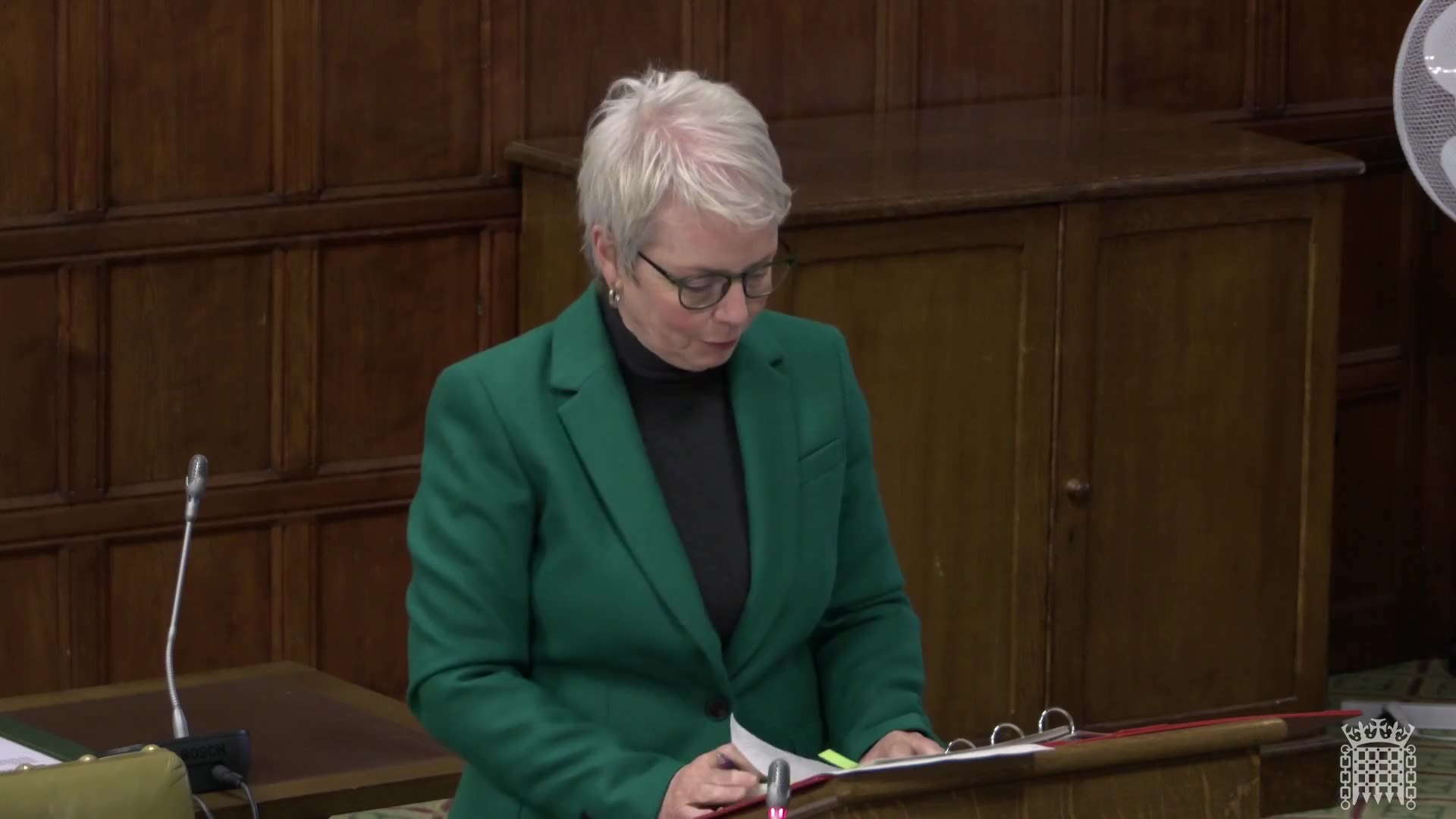

Minister for Secondary Care, Karin Smyth MP, responded to the debate on behalf of the Government.
She described the Government’s current policies and upcoming plans related to the debate topic.
Watch or read her full speech where she covers a range of topics including:
- The 10-Year Health Plan, published in July 2025. This sets out the Government’s focus on community care, digital technology, and preventative health.
- The upcoming 10-Year Workforce Plan which will set out how the Government will deliver a new NHS workforce model. A consultation to inform the plan is currently open, and seeking views from healthcare organisations and those with expertise in workforce planning.
- The upcoming National Cancer Plan, which aims to improve the diagnosis, treatment, care and prevention of cancer for all patients.
- Investment by NHS England to expand specialty training posts in high-demand disciplines, including haematology.
- Grant funding provided to the Royal College of Radiologists to encourage foundation and internal medicine trainees to specialise in clinical oncology. The minister said this includes:
– Around 8,000 people receiving training in 2024/25 either to enter the cancer and diagnostic workforce or to develop in their roles
– Funding for over 270 additional medical specialty training places
– Specialist grants for more than 1,000 clinical nurses were made available to new and aspiring clinical nurse specialist workers.
Resources and support
Parliamentary research
You can find out more about this topic, including recent government activity, in the House of Commons Library’s briefing for this debate: Impact of NHS workforce shortfalls on cancer patients.
Support links
- NHS: information and advice on cancer
- Macmillan Cancer Support: information and support
- Cancer Research UK: cancer information
MP's statement
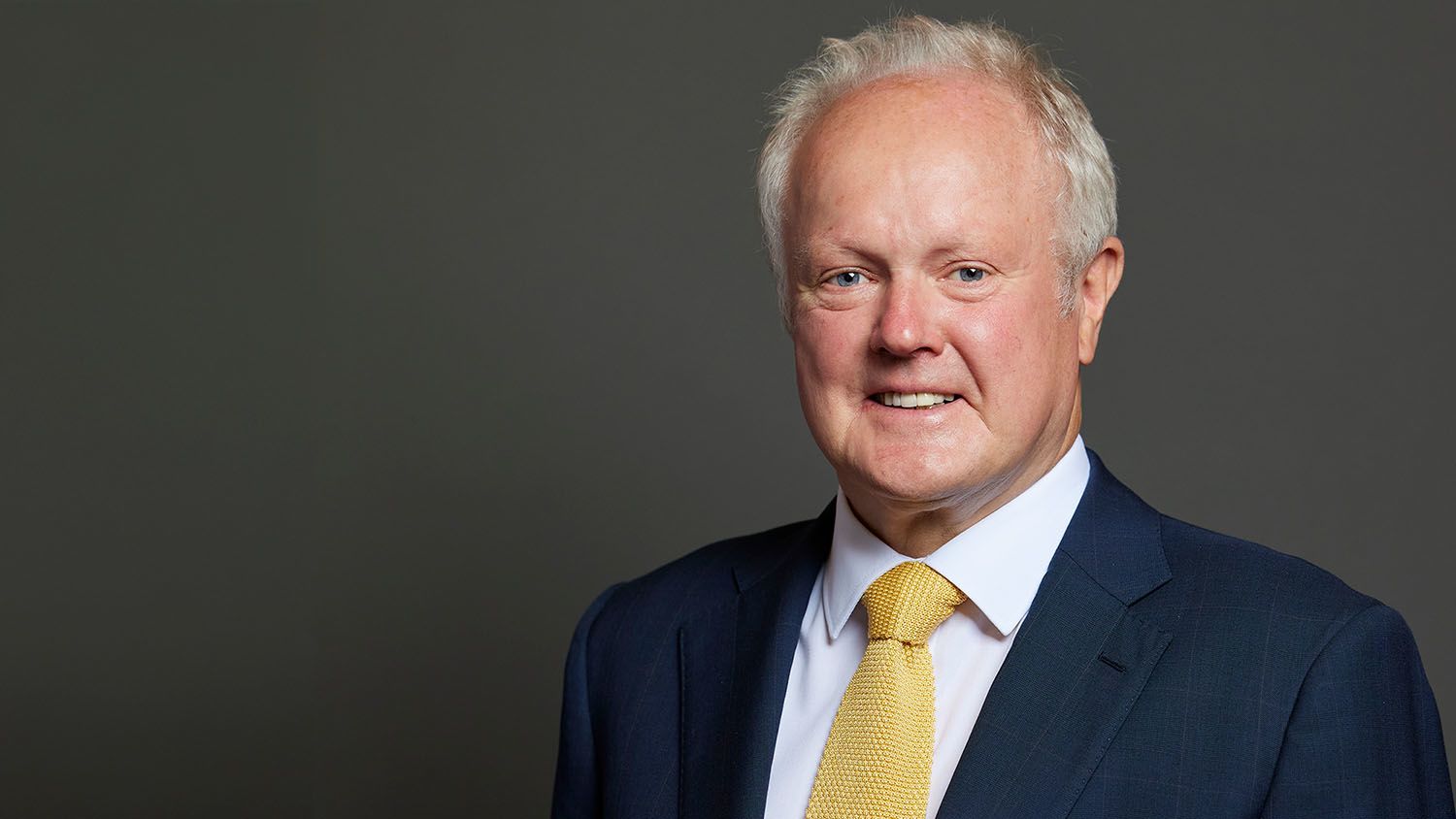
Ahead of the debate, Clive Jones MP said:
"As a cancer survivor myself, I am very glad to have secured this debate on the impact of NHS workforce levels on cancer patients.
"This debate will be a crucial opportunity to highlight the consequences of pressures on the NHS cancer care workforce, from early diagnosis, to quality of treatment, and the volume of research that goes into treatment development.
"If you or a loved one have experience of this, your stories would provide important context to the debate, and help to shine a light on the reality of this issue."


What are Westminster Hall debates?
Westminster Hall debates enable backbench MPs from any party to raise an issue, and receive a response from the government.
They do not involve a vote on a particular action or decision.
Instead, the aim is to:
- raise awareness of an issue, often as part of a wider campaign
- seek to influence government policy
- put the views of backbench MPs, opposition parties, and the government on record.
The setting
Westminster Hall debates happen in the Grand Committee Room — the second chamber of the House of Commons.
Here, MPs sit in a horseshoe shape. This can help to encourage a constructive atmosphere.
Chairing the debate
Westminster Hall debates are chaired by an MP. The role of the Chair is to:
- ensure debates keep to the time allocated
- call on MPs to speak
- make sure MPs follow the rules of debate.
To mark the start of the debate the Chair says:
"Order, order"
Opening the debate
The MP leading the debate makes the first speech.
They will generally:
- outline their views on the issue
- present examples
- in some cases, call on the government to take action.
Backbench speeches
After the opening speech, other backbench MPs take turns to speak in the debate.
The main opposition parties
For longer debates, the main opposition parties then have a chance to respond.
An MP from the third largest party generally goes first, and is followed by an MP from the official Opposition.
They outline their party’s position on the issue.
The government's response
The Chair then calls the Minister to respond to the debate on behalf of the government.
The Minister will generally:
- respond to concerns raised by MPs
- explain the government's position and policies
- share relevant plans or ambitions for the future.
Closing the debate
If there is enough time, the MP who opened the debate can make final comments.
The debate is then concluded.
Engaging with debates
- You can contact your MP and ask them to attend a debate. Or you can ask them to lead their own debate on an issue you feel is important.
- For some debates, you may be asked to share your insights and experiences. This can help inform the MPs taking part in the debate. See the Chamber Engagement website for details.
- You can watch debates online, read the transcripts, or attend in person. Find out what's on by looking at the Parliamentary calendar.
Lisa, Ian and Charlotte helped inform previous debates on topics like the menopause and pensions advice:
For more on Westminster Hall debates, see How Parliament Works.
Photo credit: UK Parliament / Jessica Taylor
 Built with Shorthand